
 简体中文
简体中文

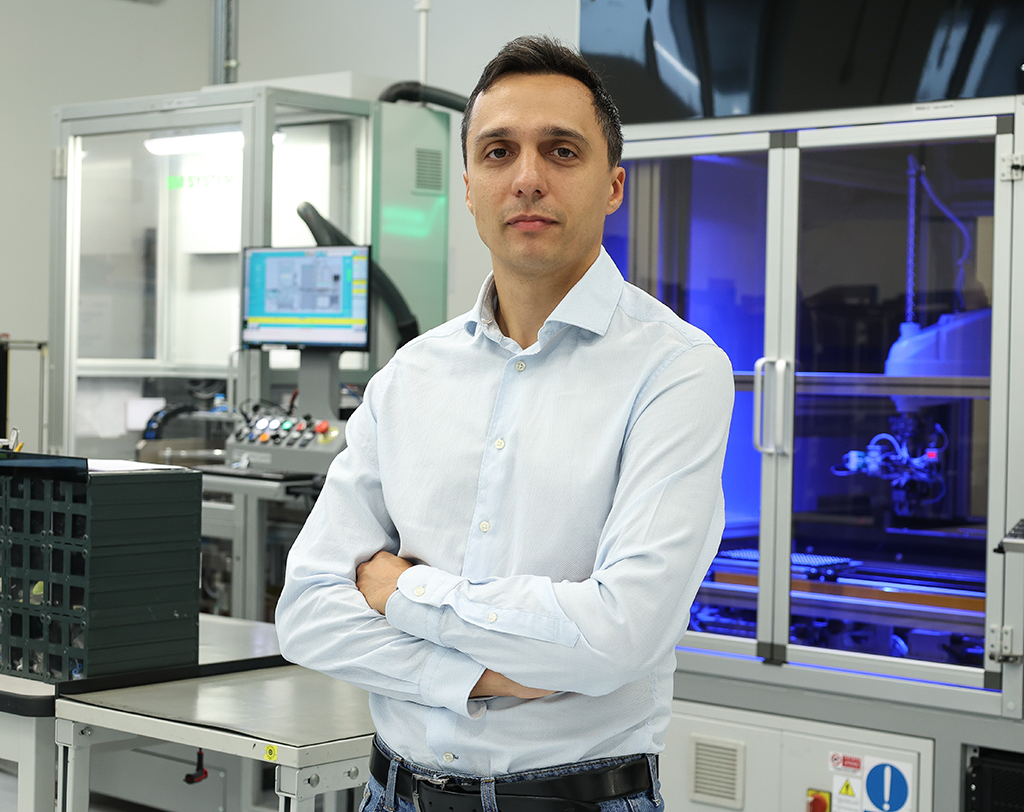
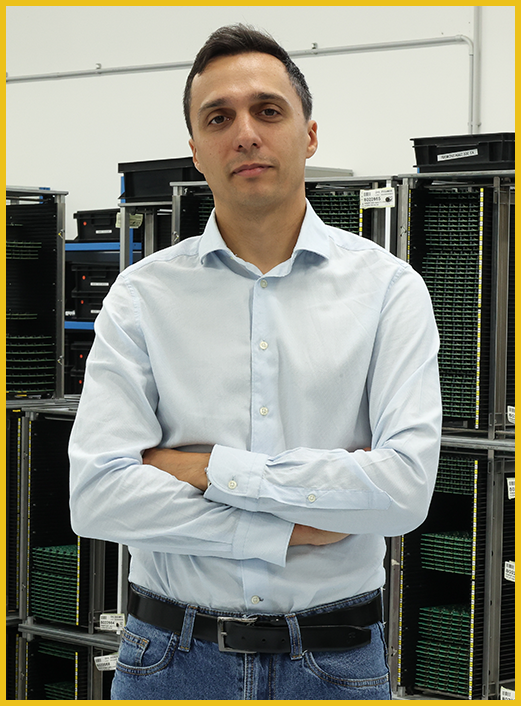
Gaspare Mascia
HSE Manager
How do safety and sustainability become a competitive advantage?
ReeR’s HSE Manager explains how environmental responsibility, employee well-being and regulatory compliance can drive efficiency, trust and innovation — from reducing carbon footprint to promoting “safety & sustainability by design”.
Can you tell us about your career path and what led you to become HSE Manager at ReeR?
My career began with a degree in Environmental Engineering, which allowed me to acquire solid skills in the field of health, safety and environmental protection. I immediately realised that my path was risk prevention in the workplace and the development of integrated management systems, so much so that I chose to study these topics in depth with a dedicated master’s degree.
After gaining experience as an external consultant and as a member of the prevention service in companies in various industrial sectors, I specialised in the control of management systems and 231 organisational models, the implementation of HSE procedures, internal audits and staff training. Working in complex production environments has allowed me to develop a broad view of industrial dynamics and to understand how strategic safety culture and respect for the environment are to a company’s success.
Joining ReeR was the natural next step in my career. I found an innovative company that focuses on quality and has a vision open to evolution. My goal here is not only to ensure compliance with regulations, but also to promote a culture of safety and sustainability as levers for continuous improvement and shared responsibility. Today, I coordinate all activities related to occupational safety, environmental protection, regulatory compliance, integrated system management and REACH certifications, working with all departments to maintain a safe, efficient and sustainable working environment .
What does your daily work as HSE Manager involve?
No two days are the same, but my goal is always the same: to protect people, the environment and the company. Part of my time is spent ensuring that production activities are carried out safely and in compliance with regulations, through site inspections and monitoring environmental parameters such as emissions, consumption and waste management through reports and KPIs.
Another important part of my job involves document management and compliance: I keep the Risk Assessment Document (DVR), safety data sheets, operating procedures and certifications such as ISO 45001 and 14001 up to date, as well as product certifications such as REACH, RoHS and others.
Then there is training, which is essential for spreading a culture of safety: I organise courses for employees, supervisors, health and safety representatives and managers, and promote conscious behaviour in every department. I also deal with risk analysis and continuous improvement, evaluating new systems or process changes to prevent critical issues. Finally, I manage any accidents or near misses, analysing the causes and defining corrective actions, keeping key indicators up to date for management and external bodies.
ReeR is certified to UNI EN ISO 14001:2015 (Environmental) and UNI ISO 45001:2023 (Occupational Health and Safety): How important are certifications for a company like yours?
ISO 9001, 45001 and 14001 certifications are much more than a formal requirement: they are tools that help a company like ReeR improve its performance, strengthen the trust of customers and partners, and ensure compliance with international standards. An integrated safety, quality and environmental management system is not just a label to show off, but a strategic model that increases efficiency, ensures regulatory compliance and strengthens competitiveness and corporate sustainability.
How does ReeR’s commitment to environmental sustainability translate into practice?
For ReeR, sustainability is not an abstract concept, but a set of concrete actions. We invest in energy efficiency and renewable sources, installing solar panels, heat pumps and consumption monitoring systems, and increasingly turning to certified energy from renewable sources. We monitor our carbon footprint with targeted reduction plans and are gradually replacing company vehicles with electric or hybrid models.
We also pay close attention to the choice of materials and waste management, strictly complying with regulations such as REACH (Registration, Evaluation, Authorisation and Restriction of Chemicals) and RoHS (Restriction of Hazardous Substances), and ensuring the correct collection and disposal of both special and urban waste. Our certifications, such as ISO 14001, and concrete results, such as a 67% reduction in our carbon footprint, demonstrate a real commitment to responsible resource management .
What about employee safety?
Employee health and safety is an integral part of ReeR’s corporate culture. We are ISO 45001 certified and operate in full compliance with Legislative Decree 81/2008, conducting internal audits and collaborating with external bodies to ensure compliance with regulations. Our corporate policies and Code of Ethics outline clear responsibilities and encourage proactive reporting of risks.
We continuously train our employees, both in the classroom and online, on topics such as the correct use of equipment, the management of job-specific risks and emergency procedures. We also pay attention to health and well-being, addressing issues such as workplace ergonomics and mental health. We constantly monitor our safety indicators, taking action to improve procedures and working environments.
How do HSE values influence corporate culture and strategic decisions?
At ReeR, HSE values are not rules to be followed simply because they are mandatory: they are principles that guide daily and strategic decisions. This means prioritising safety over productivity, building internal trust, promoting shared responsibility and developing positive leadership.
This approach influences the way we design plants, products and processes, adopting a “safety & sustainability by design” approach. It also affects the choice of suppliers, favouring those who share our ethical and safety standards, and helps prevent reputational and legal risks through proactive HSE risk management.
How do you think the role of the HSE Manager will evolve with digitalisation and automation?
In an increasingly digital and automated industrial context, the HSE Manager will not only remain a key figure, but will also undergo a profound evolution in terms of approach, required skills and tools used.
The HSE Manager will be less of an inspector and more of a risk manager integrated into business processes. They will be involved in the design phase of plants, processes and production layouts to integrate safety from the outset.
What advice would you give to a young person wanting to pursue a career in HSE?
I would say to be curious and ready to learn every day. HSE is a constantly evolving sector, where technical skills and communication skills are both essential. Don’t be afraid to go into departments, talk to people and understand their real needs. It’s a job that allows you to have a real impact on people’s safety and environmental sustainability, which makes it extremely rewarding.